
National Research Survey · The Lab · Est. 2024
The relationship that shapes collaboration across district leadership.
A national mixed-methods research survey examining the professional relationship between special education directors and general education leaders across U.S. public school districts.
Conducted by Dr. Nikki Harding · Inclusive Leadership Lab · 2026
Study Design
Mixed Methods
Who Participates
Open
All education leaders
Research Questions
5 RQs · 46 items
Time to Complete
12–15 min
U.S. districts
About the Study
Why this relationship matters
Special education and general education leadership teams share responsibility for students with disabilities, yet they often operate within separate structures, funding streams, and accountability systems. How these teams work together varies widely from district to district.
There is limited national research on the professional relationship between these two leadership groups — how they collaborate, where collaboration is easier or harder, and what conditions shape it.
This survey is a step toward a clearer national picture. Findings will be published and shared widely to inform structures, conversations, and outcomes for students.
Areas of Focus
What the study examines
Fig. 01-a
Trust & Working Relationships
The factors that shape trust between special and general education leadership, and the structural conditions associated with stronger or weaker working relationships.
Fig. 01-b
Shared Accountability
How accountability for student outcomes is distributed across leadership teams, and how that distribution varies by role and program type.
Fig. 01-c
Resource Allocation
How resource decisions are made, and how those processes relate to working relationships across leadership teams.
Fig. 01-d
Professional Development
The role of joint professional learning in the working relationship between program areas.
Fig. 01-e
Structural Conditions
The organizational structures, policies, and leadership practices associated with collaboration between leadership teams.
"Your participation helps build a national, field-wide understanding of how these leadership teams work together."
Five Research Questions
The questions this study is designed to answer
Each of the 46 survey items maps to one of five research questions. Together they provide a comprehensive picture of the working relationship between special and general education leadership in U.S. public schools.
Research Question 1
What factors shape trust between special education and general education leaders?
Examining the professional, structural, and relational factors associated with higher or lower trust between special education directors and general education leaders in district settings.
Research Question 2
How is accountability for student outcomes shared?
Exploring whether and how responsibility for students with disabilities is distributed across leadership teams, and whether that distribution reflects shared ownership.
Research Question 3
How do resource allocation processes relate to working relationships?
Investigating how decisions about staffing, funding, time, and materials are made, and how those processes relate to cross-functional working relationships.
Research Question 4
What role does professional development play?
Assessing whether joint professional learning opportunities exist, how they are structured, and how they relate to shared understanding and working relationships.
Research Question 5
What structural conditions are associated with collaboration?
Identifying the organizational features, leadership behaviors, and systemic practices associated with environments where special and general education leadership work together.
Instrument Design
A 46-item instrument built for precision and nuance
The survey uses three distinct measurement approaches, each chosen to capture a different dimension of the working relationship between leadership teams.
Role-based conditional logic adjusts question framing based on the respondent's role — whether they identify primarily as a special or general education leader — so the data reflects each perspective accurately.
Method 01
Likert Scales
Five-point agreement and perception scales measuring attitudes toward trust, collaboration, and shared responsibility across leadership pairs.
Method 02
Behavioral Frequency Scales
Frequency-based items capturing how often specific practices occur — joint planning, shared decision making, cross-functional professional learning.
Method 03
Forced-Choice Ranking
Priority-ordering items that surface how leaders rank competing values and structural conditions when they cannot select all of them.
Method 04
Role-Based Conditional Logic
Adaptive question framing that adjusts based on respondent type, so special and general education leaders answer from their own vantage point.
The result is a measurement instrument rigorous enough to produce publishable findings and grounded enough in real district experience to feel relevant to everyone who takes it.
Who Should Participate
This survey is designed for leaders at every level
The survey uses role-based conditional logic so each respondent answers from their own leadership perspective. All responses are confidential and contribute to a national dataset.
SpEd Leadership
Special Education Directors & Administrators
District-level special education directors, coordinators, and supervisors who work alongside or under general education district leadership. Your perspective on the working relationship and accountability from the special education side is central to this study.
Gen Ed Leadership
General Education District Leaders
Superintendents, assistant superintendents, curriculum directors, and other general education district administrators who share oversight with special education leadership. Your view from the general education side is equally essential.
Building Level
Building-Level Administrators
Principals and assistant principals who navigate the intersection of special and general education implementation daily. Your ground-level view of how these leadership dynamics play out in schools adds a critical dimension to the dataset.
The Researchers
Study led by practitioners who have lived this work
This research is grounded in decades of direct experience inside special education and general education leadership.
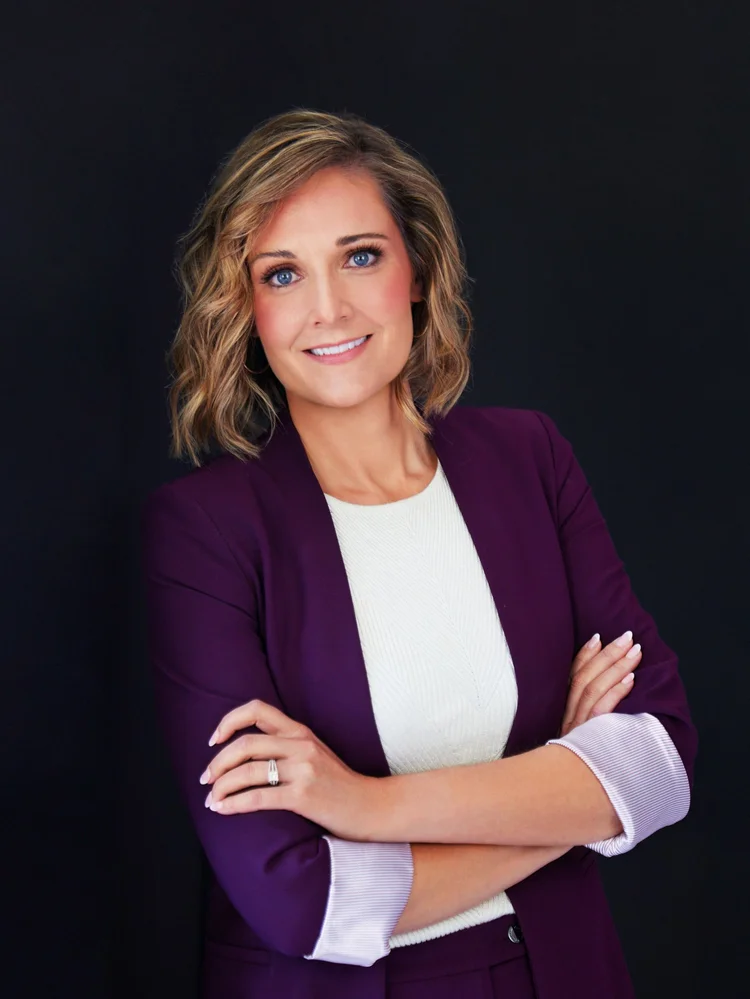
Principal Investigator
Dr. Nikki Harding, Ed.D.
CEO and Founder, Inclusive Leadership Lab. 24 years in special education as a teacher, building leader, and director. Doctoral work focused on educator development and IEP quality. Parent of a child with Down syndrome. Has sat on both sides of the IEP table and brought both perspectives into this research.
Participate in the Research
Your voice belongs in this data
The survey takes 12 to 15 minutes and your responses are fully confidential.
National Research Survey: Special Education & General Education Leadership
Complete all 46 items below. Estimated time is 12 to 15 minutes.
- 46 items — Likert, frequency, and ranking scales
- 12–15 min to complete
- 100% confidential — aggregate reporting only
Confidentiality & Ethics
Your participation is voluntary and confidential
This study collects no personally identifying information. All responses are reported in aggregate only. Participation is entirely voluntary and you may stop at any time without consequence.
Results will be shared publicly through publications and presentations. Individual districts and respondents will never be identifiable in any published findings.
Questions may be directed to nikki@inclusiveleadershiplab.org